
Managing Invisalign Discomfort: What’s Normal and What’s Not
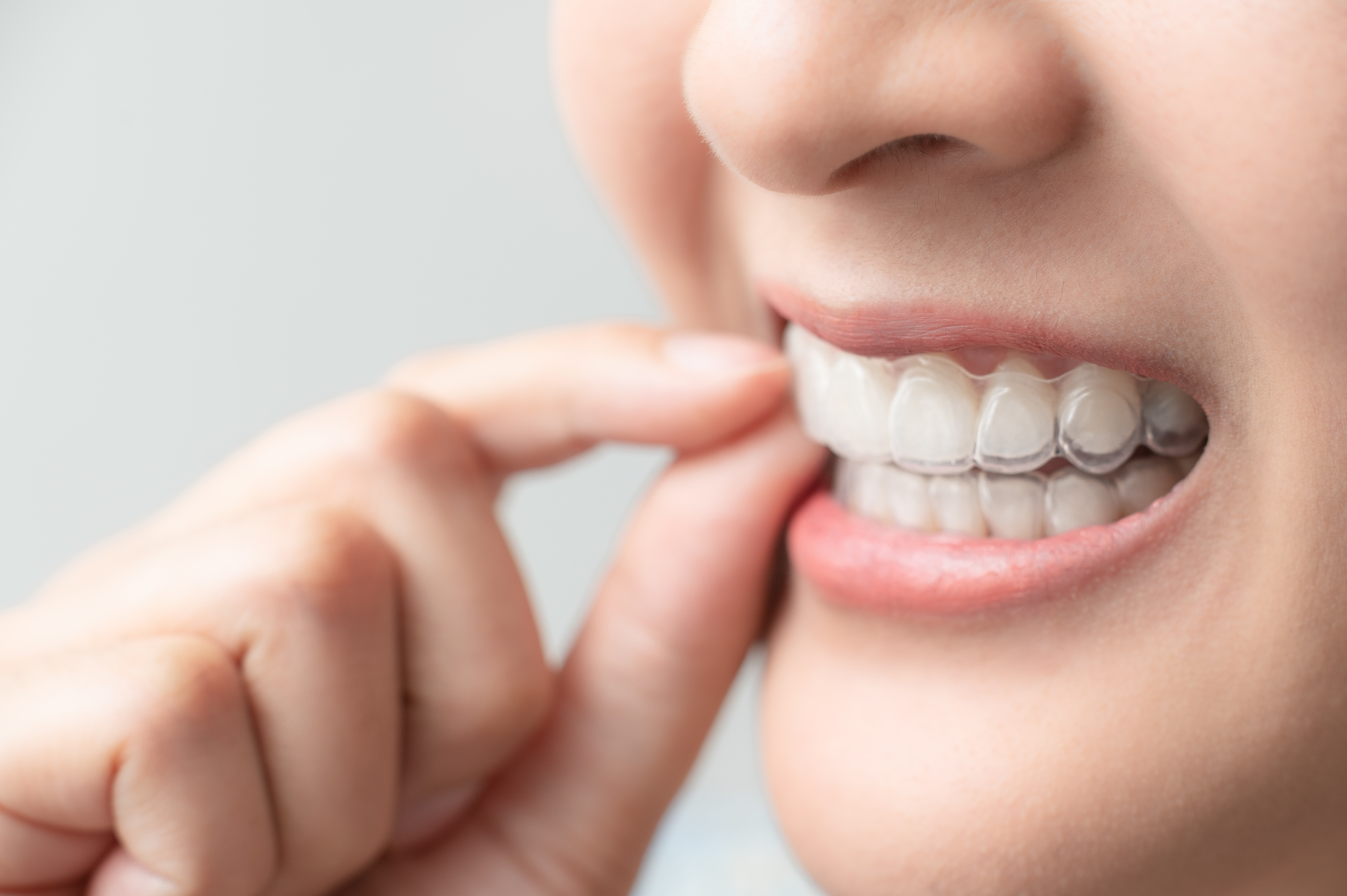
Starting Invisalign is exciting, but some discomfort is part of the process. As your clear aligners begin shifting your teeth into better alignment, it is normal to notice pressure, tenderness, or a tight feeling. The key is knowing the difference between expected Invisalign discomfort and signs that something may need attention.
What Normal Invisalign Discomfort Feels Like
Most patients notice mild soreness for the first few days after starting Invisalign or switching to a new set of aligners. This usually means the trays are doing their job. You may feel pressure on certain teeth, mild sensitivity while chewing, or slight irritation as your mouth adjusts to the aligners.
In most cases, this discomfort is temporary and manageable. It should gradually improve within a few days rather than get worse.
Why Invisalign Can Feel Tight
Invisalign works by applying gentle, controlled pressure to move teeth over time. That pressure is what creates the feeling of tightness. A new tray may feel snug at first because it is designed for the next stage of tooth movement.
Some common reasons Invisalign may feel uncomfortable include:
- Starting your first set of aligners
- Changing to a new tray
- Wearing trays inconsistently and then putting them back in
- Attachments creating extra pressure on certain teeth
This type of tightness is usually expected and tends to settle as your teeth adapt.
Mild Irritation Can Happen Early On
Your cheeks, lips, or tongue may need time to get used to the edges of your clear aligners. Minor gum or soft tissue irritation can happen during the early days of treatment. Staying consistent with wear often helps your mouth adjust faster.
If an area feels rough or rubs repeatedly, let us know so we can evaluate the fit of your aligners and make recommendations.
What Is Not Normal
While mild soreness is common, Invisalign should not cause severe or lingering pain. Discomfort that feels sharp, intense, or unusual may point to a problem.
Signs that are not considered normal include:
- Significant pain that does not improve after a few days
- Bleeding gums caused by tray irritation
- A cracked or warped aligner
- A tray that does not seat properly
- Sudden pain in one tooth
- Sores that continue getting worse
These symptoms may mean your aligner needs adjustment or that another dental issue is present.
How To Make Invisalign More Comfortable
There are several ways to reduce everyday Invisalign discomfort. Wearing your trays as directed helps prevent excessive tightness. Removing them too often can make reinsertion more uncomfortable. Many patients also find it easier to switch to a new tray at night so they sleep through the first several hours of pressure.
Keeping your aligners clean, using your chewies if recommended, and staying on schedule with visits can also make treatment smoother.
When to Call Our Office
If your Invisalign discomfort feels severe, lasts longer than expected, or seems to be getting worse instead of better, it is time to reach out. We can check your trays, evaluate your tooth movement, and make sure your treatment stays on track.
Schedule a consultation at Dental Art Concepts PLLC for guidance on Invisalign treatment and aligner comfort. Visit our office in Staten Island, New York, or call (718) 313-4343 to book an appointment today.
Helpful Articles
article_category: products
article_category: psychiatry
article_category: faqs
article_category: cats
article_category: general
article_category: services
article_category: technology
article_category: dogs
article_category: restorative
article_category: vision therapy
article_category: contact lenses
article_category: health
article_category: conditions
article_category: eye surgery co-management
article_category: exotic
article_category: cosmetic
article_category: surgical procedures
article_category: aesthetics
article_category: preventative
article_category: ocular disease management
article_category: eyeglasses
article_category: eye health
article_category: large animal
[]
article_category: psychiatry
article_category: faqs
article_category: cats
article_category: general
article_category: services
article_category: technology
article_category: dogs
article_category: restorative
article_category: vision therapy
article_category: contact lenses
article_category: health
article_category: conditions
article_category: eye surgery co-management
article_category: exotic
article_category: cosmetic
article_category: surgical procedures
article_category: aesthetics
article_category: preventative
article_category: ocular disease management
article_category: eyeglasses
article_category: eye health
article_category: large animal
[]
Flowbite is an open-source library of interactive components built on top of Tailwind CSS including buttons, dropdowns, modals, navbars, and more.
Check out this guide to learn how to get started and start developing websites even faster with components on top of Tailwind CSS.

All Dental Services
We offer a wide variety of dental services to the Staten Island community. Contact us with any questions about our services.

Keep In Touch
For non-urgent questions or to learn more about our services, contact us today!
Contact Info
Hours of Operation
- Monday 9:00am - 7:00pm
- Tuesday 9:00am - 7:00pm
- Wednesday 9:00am - 7:00pm
- Thursday 9:00am - 7:00pm
- Friday Closed
- Saturday Closed
- Sunday Closed
- Monday
- Tuesday
- Wednesday
- Thursday
- Friday
- Saturday
- Sunday
- Monday
- Tuesday
- Wednesday
- Thursday
- Friday
- Saturday
- Sunday
© 2026 Dental Art Concepts PLLC. All rights Reserved -
Accessibility Statement
-
Privacy Policy
-
Sitemap
Managed and Designed by 